Antifungal Mechanism • Ergosterol Inhibition

How Ketoconazole Works — Antifungal Mechanism, Ergosterol Disruption & Activity Spectrum

Ketoconazole works by blocking ergosterol synthesis, weakening fungal cell membranes and limiting growth. Its broad activity covers dermatophytes and yeast species, including Malassezia, making it effective for dandruff, seborrheic dermatitis, and tinea infections across skin and scalp.

Introduction to Mechanism of Action
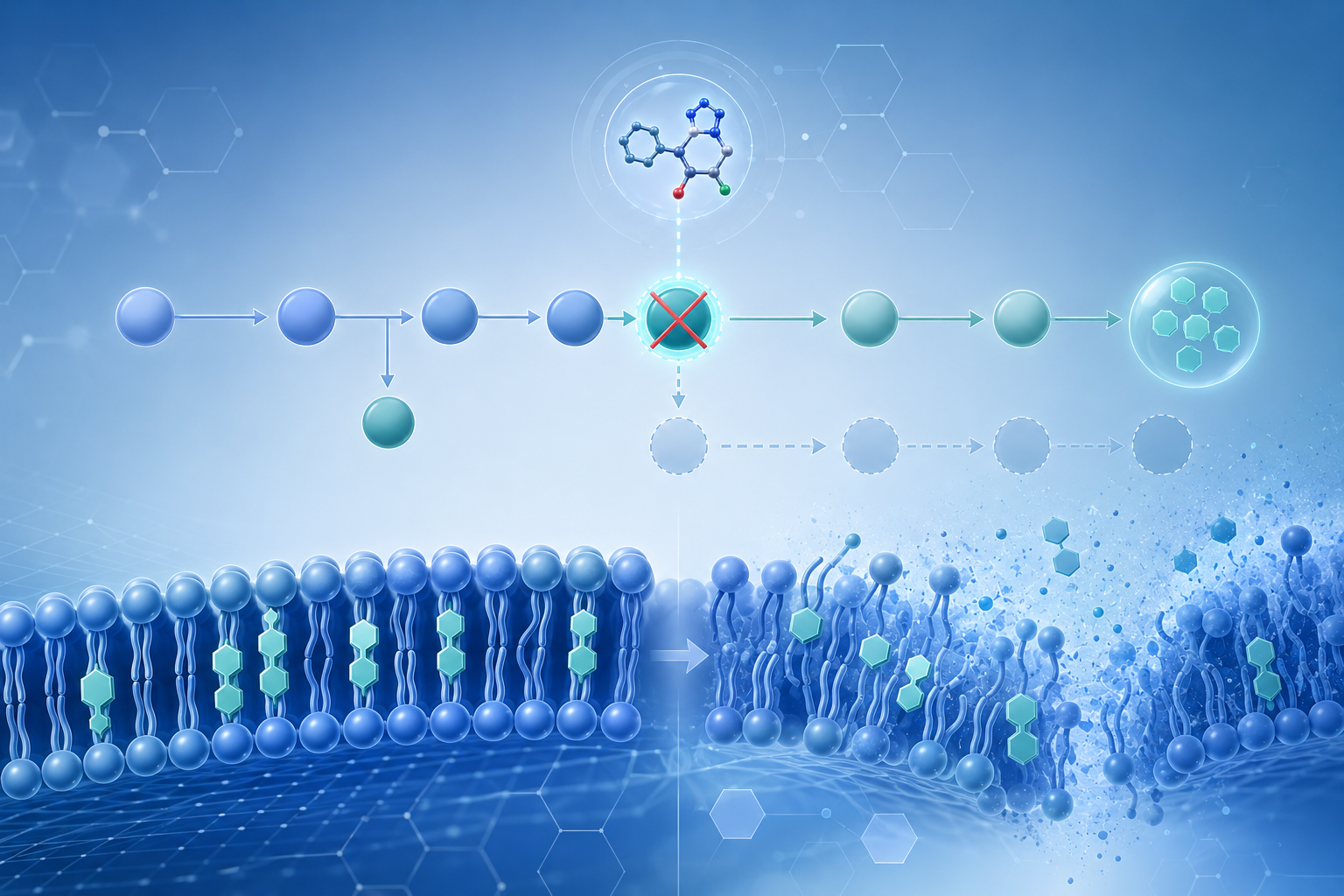
Ketoconazole is an azole antifungal medication that works by disrupting essential processes within fungal cells. Its primary target is the synthesis of ergosterol, a key structural component of the fungal cell membrane. By inhibiting the cytochrome P450–dependent pathway responsible for ergosterol production, ketoconazole weakens membrane integrity and interferes with normal cellular function.

Although the core mechanism remains consistent, its clinical behavior varies by formulation. The cream delivers localized antifungal activity for skin infections, the shampoo is optimized for scalp conditions driven by Malassezia species, and the oral tablets—used far less frequently—provide systemic levels capable of treating severe fungal diseases. Together, these forms illustrate how the same mechanism of action can be adapted to different therapeutic needs while maintaining a predictable antifungal effect.

Inhibition of Ergosterol Synthesis

Ketoconazole exerts its antifungal activity by inhibiting the enzyme 14‑α‑demethylase, a key cytochrome P450–dependent catalyst in the ergosterol biosynthesis pathway. This enzyme is responsible for converting lanosterol into ergosterol, an essential sterol that maintains fungal cell membrane structure, fluidity, and function. When 14‑α‑demethylase is blocked, lanosterol accumulates while ergosterol levels decline, leading to progressive membrane instability.

The disruption of ergosterol synthesis compromises membrane permeability, interferes with nutrient transport, and impairs the ability of fungal cells to maintain osmotic balance. Depending on the concentration achieved at the site of infection, ketoconazole may act as either a fungistatic or fungicidal agent. At lower concentrations, it slows fungal growth by preventing normal membrane formation. At higher concentrations, the membrane becomes sufficiently damaged to cause irreversible cellular dysfunction and eventual cell death.

This dual potential—growth inhibition at low levels and direct killing at higher levels—makes ketoconazole a versatile antifungal option across topical and systemic formulations. Its targeted interference with ergosterol synthesis remains the central mechanism underlying its clinical effectiveness.

Effects on Fungal Cell Membrane

Ketoconazole’s inhibition of ergosterol synthesis leads to progressive structural damage within the fungal cell membrane. As ergosterol levels fall and abnormal sterols accumulate, the membrane becomes increasingly permeable. This heightened permeability allows essential intracellular components to leak out, weakening the cell’s ability to maintain osmotic balance and normal metabolic activity.

The compromised membrane also disrupts cell division, as fungi rely on stable sterol composition to support budding, replication, and membrane remodeling. Without sufficient ergosterol, these processes slow dramatically or fail entirely, contributing to growth inhibition or eventual cell death, depending on drug concentration and exposure time.

Malassezia species are particularly sensitive to these membrane‑level disruptions. Their lipid‑rich physiology and dependence on external fatty acids make them more vulnerable to changes in membrane composition. As a result, ketoconazole’s interference with sterol balance produces a pronounced antifungal effect on Malassezia, explaining its strong clinical performance in dandruff and seborrheic dermatitis.

Differences Between Forms (Cream, Shampoo, Tablets)

Ketoconazole is available in several formulations, each designed to deliver the antifungal effect to a specific site and at an appropriate concentration. The cream provides localized action with high penetration into the superficial layers of the skin, making it suitable for tinea corporis, tinea cruris, and other dermatophyte or yeast infections. Its targeted delivery allows for strong antifungal activity with minimal systemic absorption.

The shampoo formulation is optimized for scalp conditions driven by Malassezia species. It acts primarily on the skin surface, reducing fungal density and inflammation associated with dandruff and seborrheic dermatitis. Because it is rinsed off after a short contact period, its effect is concentrated at the epidermal level rather than deeper tissues.

Oral tablets deliver systemic concentrations of ketoconazole, allowing treatment of severe or refractory fungal infections. However, due to the significantly higher risk of toxicity—especially liver‑related adverse effects—tablets are rarely used today and are generally reserved for cases where safer alternatives are not appropriate. These differences highlight how each form balances efficacy, penetration, and safety depending on the clinical need.

Spectrum of Antifungal Activity

Ketoconazole provides a broad antifungal spectrum that covers multiple pathogenic groups. It is active against dermatophytes responsible for common skin infections, including species of Trichophyton, Microsporum, and Epidermophyton. These organisms rely heavily on ergosterol‑dependent membrane stability, making them susceptible to ketoconazole’s inhibition of sterol synthesis.

The drug also demonstrates strong activity against yeast species, particularly Malassezia, which plays a central role in dandruff and seborrheic dermatitis. Malassezia’s lipid‑dependent physiology makes it especially sensitive to disruptions in membrane sterol composition, explaining the effectiveness of ketoconazole shampoos in scalp conditions. Activity against Candida species is more limited and varies by strain, as some Candida organisms possess alternative pathways that reduce their dependence on the enzyme targeted by ketoconazole.

Compared with terbinafine, which is primarily fungicidal against dermatophytes through squalene epoxidase inhibition, ketoconazole offers broader yeast coverage but weaker dermatophyte potency. These mechanistic differences shape their clinical roles: terbinafine excels in dermatophyte‑driven infections, while ketoconazole is preferred for conditions involving Malassezia and certain yeasts.

Why Ketoconazole Works for Dandruff & Seborrheic Dermatitis

Ketoconazole is highly effective for dandruff and seborrheic dermatitis because it directly targets Malassezia, the yeast species strongly associated with scalp flaking, redness, and itching. By reducing the density of Malassezia on the skin surface, ketoconazole helps restore microbial balance and decreases the inflammatory response that drives visible symptoms. This antifungal effect is the foundation of its clinical success in chronic scalp conditions.

In addition to its antifungal activity, ketoconazole provides a mild anti‑inflammatory benefit. Lowering inflammation helps reduce erythema, irritation, and the cycle of excessive skin turnover that contributes to persistent flaking. As a result, many users experience relief not only from scaling but also from itching and discomfort.

The difference between 1% and 2% formulations lies in potency and depth of effect. The 1% shampoo is suitable for routine dandruff control, while the 2% version offers stronger antifungal activity for more pronounced or recurrent symptoms. Both work through the same mechanism, but the higher concentration provides a more robust reduction in Malassezia levels, leading to longer‑lasting symptom improvement.

Pharmacokinetics (Topical vs Systemic)

Ketoconazole shows markedly different pharmacokinetic behavior depending on the formulation used. Topical products such as the 2% cream and 1–2% shampoo have minimal systemic absorption, remaining largely confined to the outer layers of the skin or scalp. This localized exposure allows effective antifungal activity while keeping blood concentrations extremely low, which significantly reduces the risk of systemic side effects.

In contrast, oral ketoconazole tablets produce high systemic levels because the drug undergoes extensive absorption and hepatic metabolism. These elevated concentrations enable treatment of deep or widespread fungal infections but also introduce a substantially higher risk of toxicity, particularly liver‑related adverse reactions and drug–drug interactions.

Due to this unfavorable safety profile, systemic ketoconazole is rarely used today and has been replaced by safer alternatives for most indications. As a result, topical formulations remain the preferred choice, offering effective antifungal action with minimal systemic exposure.

Summary Table

Ketoconazole is available in multiple formulations, each designed to deliver antifungal activity at different depths of the skin or scalp. The table below summarizes how each form penetrates tissue, its primary molecular target, type of antifungal action, and the conditions for which it is most commonly used.

Form Depth of Penetration Main Target Type of Action Key Indications
Cream Superficial skin layers Ergosterol synthesis in dermatophytes and yeasts Fungistatic or fungicidal depending on concentration Tinea corporis, tinea cruris, cutaneous yeast infections
Shampoo Stratum corneum of the scalp Malassezia species on the scalp surface Primarily fungistatic Dandruff, seborrheic dermatitis
Tablets Systemic distribution Ergosterol synthesis in deep or widespread infections Fungistatic with potential fungicidal effect Severe systemic fungal infections (rarely used)

How Ketoconazole Works — FAQ

Many users notice improvement within several days, especially with shampoo. Full results for skin infections may take 1–2 weeks depending on severity and formulation.

It reduces the amount of Malassezia yeast on the scalp, lowering inflammation and decreasing flaking, redness, and itching associated with dandruff and seborrheic dermatitis.

The cream penetrates deeper into the skin to treat dermatophyte and yeast infections, while the shampoo acts mainly on the scalp surface to reduce Malassezia levels.

Tablets create high systemic exposure and carry a significant risk of liver toxicity and drug interactions, so they are rarely used today.

It has limited activity against Candida species. Some strains respond well, while others are less sensitive due to alternative sterol pathways.

Daily use may be appropriate for short periods depending on the formulation, especially for shampoo. Long-term daily use is generally not needed.

It does not penetrate the nail plate effectively, so it cannot reach the deeper layers where nail fungus resides.

Ketoconazole blocks ergosterol synthesis by inhibiting 14‑α‑demethylase, while terbinafine inhibits squalene epoxidase. This makes terbinafine stronger against dermatophytes, while ketoconazole is more effective against Malassezia.

Yes, it has mild anti‑inflammatory effects that help reduce redness, irritation, and itching in scalp and skin conditions.

Malassezia depends heavily on external lipids and sterol balance, making it more vulnerable to disruptions in ergosterol synthesis caused by ketoconazole.

It can be fungistatic at lower concentrations and fungicidal at higher concentrations, depending on the organism and formulation.

The scalp has a high concentration of lipids that support Malassezia growth, making it an ideal target for ketoconazole’s antifungal mechanism.